Ports can be classified in several ways, depending on location, functions, and purpose. Understanding the different types of ports helps to see how ports support a wide range of industries and activities in the maritime field.
1. Geographic Ports
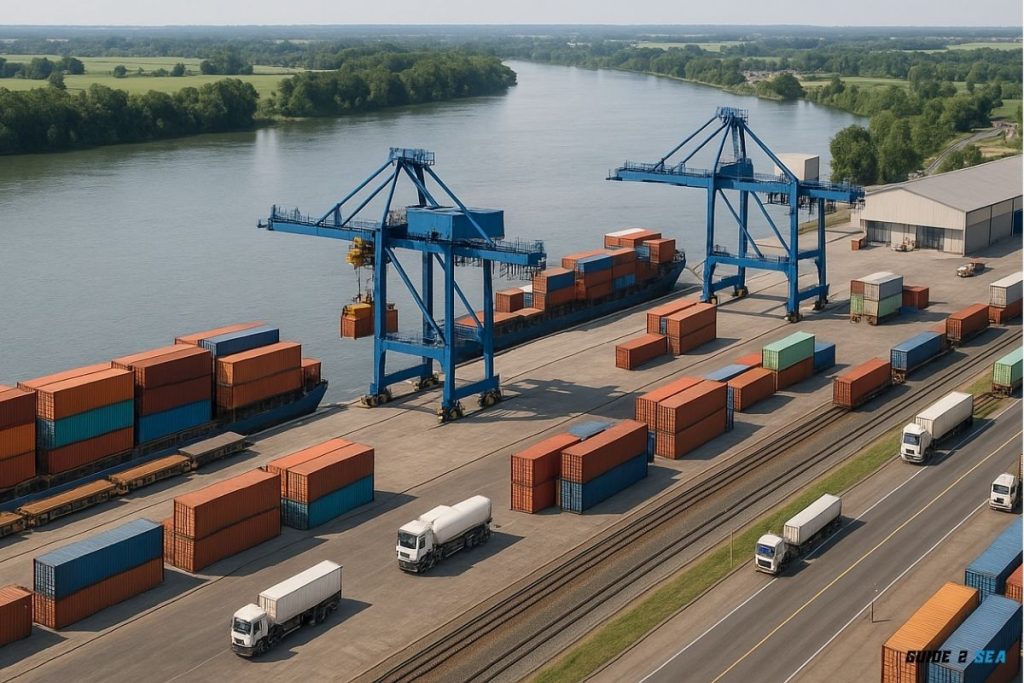
A geographic port is a type of port where the location and development are linked to the natural surroundings. These ports are not randomly placed. They are built where land and sea offer a possible condition for ships to come and go, for cargo to move in and out of the vessel, and for people to connect across the world.
There are different types of geographic ports in the world providing different services for vessels. Geographic ports are developed in places where the coastline provides shelter from high waves and deep water close to the shore. There are different types of geographic ports around the world.
2. Commercial Ports
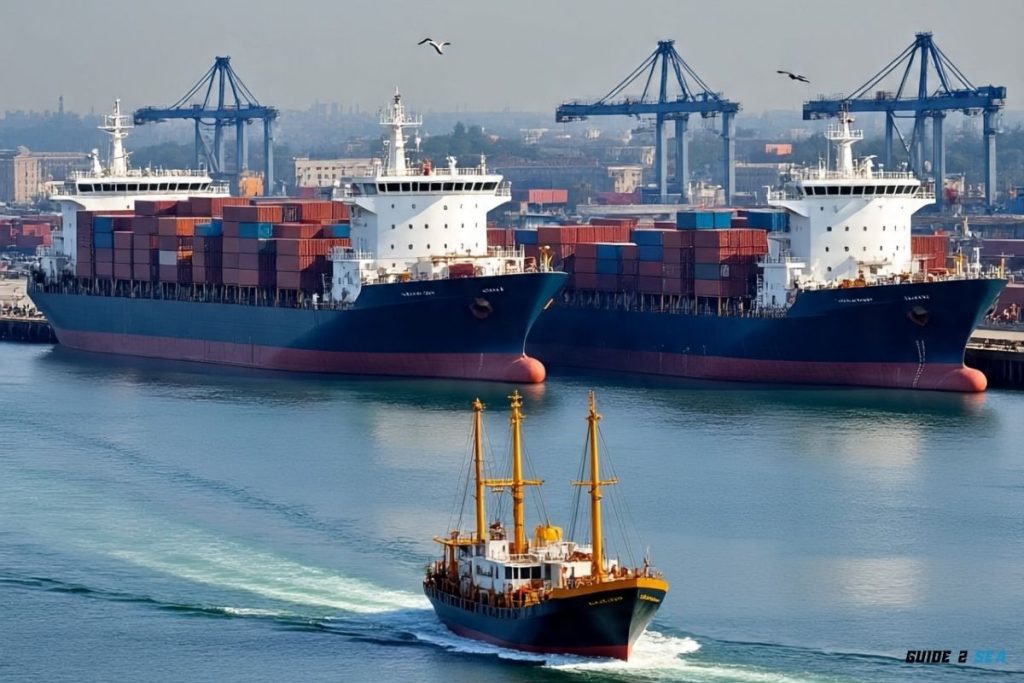
Commercial ports are the most common and the busiest types of ports in the world. The main role of these ports is to handle cargo that is imported and exported between countries. These ports are equipped with large cranes, terminals, and container yards to manage goods. Containerized cargo, bulk cargo, and breakbulk cargo are some common types of cargo handling in commercial ports. These ports help to minimize the shipping costs and reduce the delivery time in international trade.
3. Passenger Ports
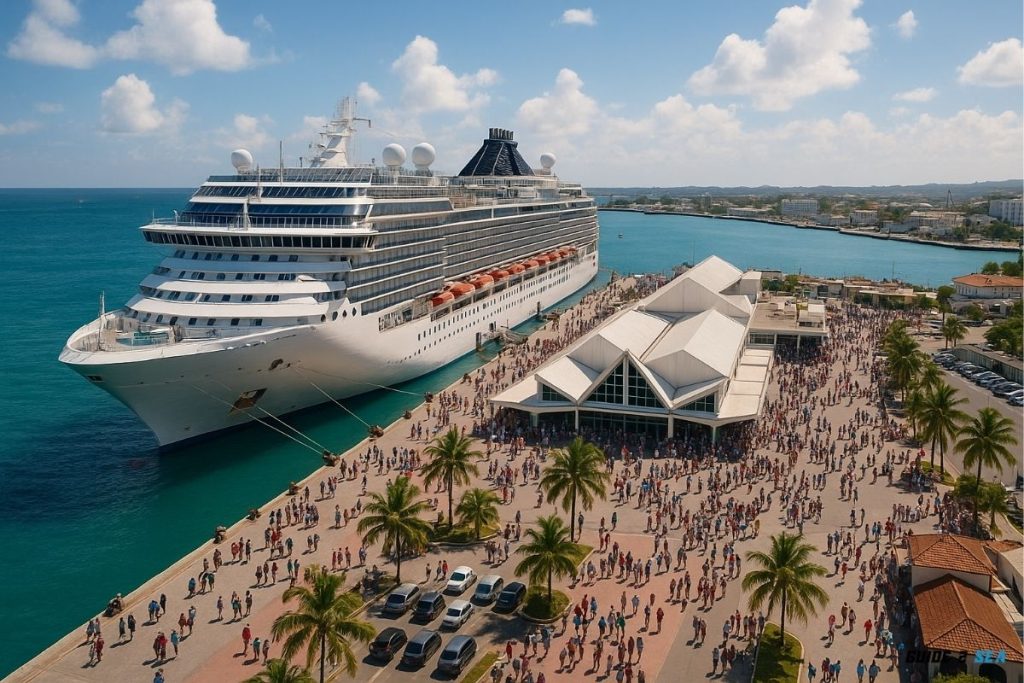
These types of ports handle people instead of cargo. They can be commonly found around the cities that cruise ships or ferries run to. These ports are designed with terminals, waiting areas, immigration services, and easy access to local transportation. These ports are often located in tourist destinations to bring thousands of travelers to the country. Passenger ports are designed to support tourism and to boost the local economy.
4. Inland Ports
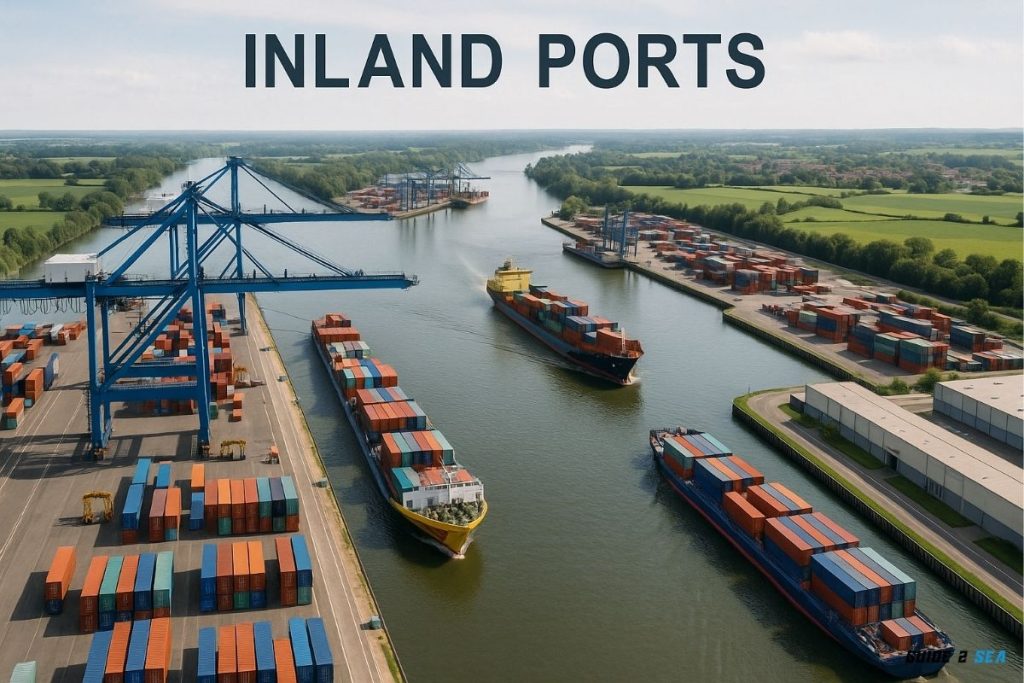
Inland ports are types of ports that are located away from the sea, along rivers. They allow cargo to be transported inland by smaller vessels. These ports help to reduce road congestion and increase the efficiency of transportation. They are common in regions with large river systems like the Mississippi River in the U.S. and the Rhine River in Europe.
5. Dry Port
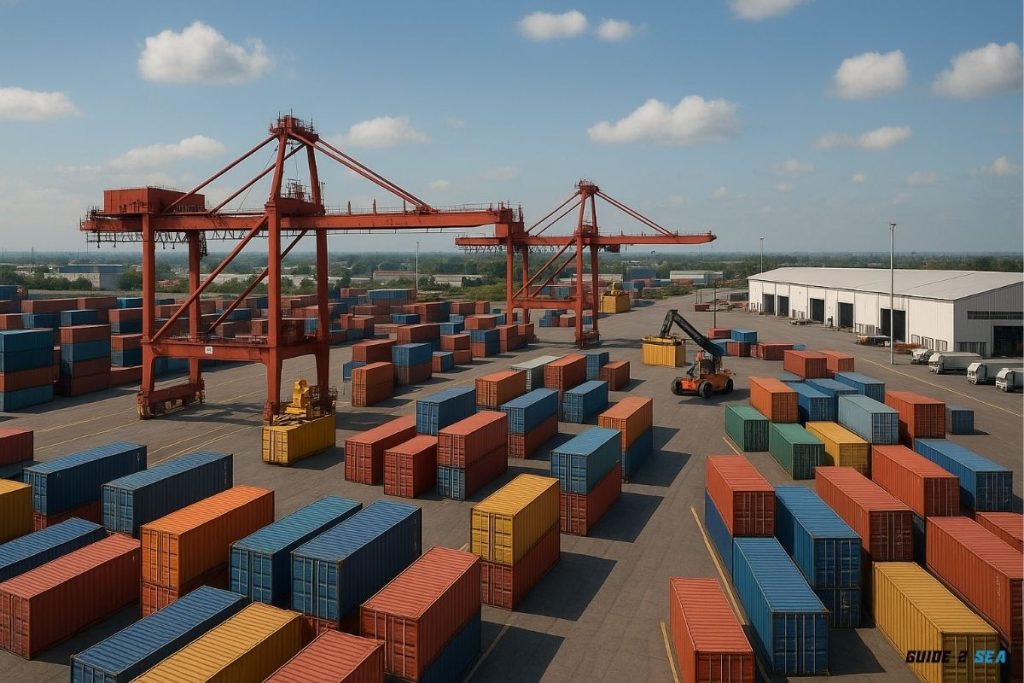
Dry ports are types of ports where ships are not operated, and instead containers are operated. These ports are well-known as Inland Container Depots (ICD). They are not located around water lines yet operate as seaports. Goods are transported or shipped from the seaport to dry ports by using rail or truck, where they are stored and distributed. Dry ports also help to reduce the congestion at seaports.
In the maritime and logistics field it is essential to have an understanding about the different types of ports. Each type of port serves a unique function to the country and supports the different parts of the economy. They also help the efficiency and effectiveness of the global supply chain and trading flow. Understanding the different types of ports and their functions helps us to appreciate the complexity and importance of the maritime industry.
Read More : What is a port: Importance, functions, and features